Planning a trip to Israel involves more than choosing the places you want to see. Your entry documents, flight schedule, accommodation, transport, and the time you allow for each destination can all affect the experience. Miss one important detail, and you may end up changing bookings, missing a site, or spending part of your holiday sorting out arrangements.
A little preparation makes a real difference. Before you book, work through these 10 points to build a trip that fits your interests, budget, and available time.
1. Check Travel Advisories Before Paying for Your Trip
Start with the current situation, not the itinerary. Security conditions can change, and travel restrictions may affect particular regions, roads, or attractions. Airlines can also change schedules or cancel flights when conditions deteriorate.
Read your government’s latest travel advice for Israel and check official local updates close to departure. Pay attention to the specific areas mentioned, not just the overall advisory level.
Your travel insurance deserves the same attention. Check whether it covers cancellations, medical expenses, and disruption related to security incidents. Some policies restrict cover when a traveller visits a destination against official advice.
If the guidance changes after you book, contact your airline, accommodation provider, insurer, or tour operator before making alternative arrangements.
2. Sort Out Your Passport, Visa, and Entry Authorisation
Do this well before your departure date. Entry requirements depend on your nationality and travel documents, so do not assume the rules that apply to one traveller will apply to everyone in your group.
Some visitors need a tourist visa. Travellers from eligible visa-exempt countries generally need an approved Electronic Travel Authorization (ETA-IL) before travelling to Israel.
Check your passport’s expiry date, too. The required validity period can differ according to your entry category. If you are travelling with children or family members who hold different nationalities, check each person’s requirements separately.
Do not leave the application until the last minute. The official system recommends applying well ahead of travel-related bookings. Save copies of your approval and other important documents where you can access them if your phone is unavailable.
3. Book Flights With Enough Time for the Rest of the Journey
Your flight dates determine much of the trip, but the cheapest connection is not always the most practical choice.
Allow time for immigration, baggage collection, and reaching your first hotel or meeting point. If you arrive late at night, consider whether your accommodation and airport transfer arrangements match your arrival time. An early departure on your final day also affects how much sightseeing you can reasonably plan.
Think about disruption before buying a non-refundable ticket. A longer connection or a flexible fare may cost more initially but offer useful protection if plans change. Check the airline’s rules for missed connections, cancellations, and baggage, especially if you are booking separate tickets.
If your tour package includes flights, confirm the proposed departure dates, baggage allowance, connections, and change conditions with the organiser. If you are booking flights yourself, share the confirmed arrival and departure details before finalising transfers and the itinerary.
4. Choose Your Destinations Before Filling Every Day
Israel has enough historical, religious, and natural attractions to fill a much longer visit than most travellers can manage. The challenge is choosing what matters most to you.
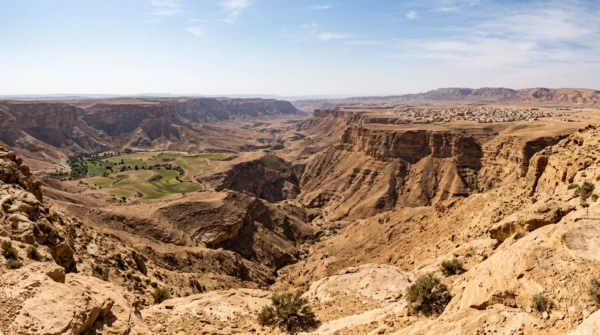
Jerusalem is central to Jewish and Christian heritage. Nazareth and the Sea of Galilee are important to many Christian visitors. Masada and the Dead Sea combine history with a distinctive natural landscape, while northern Israel offers mountain scenery, historic towns, and outdoor routes. The Negev provides a very different desert experience.
You can combine several interests, but distance and travel time matter. A route across the country requires a different schedule from a trip focused on the north or south.
Make a shortlist of your three or four highest priorities first. Then build the itinerary around them. You will get more from a site when you have time to explore it than when you are watching the clock because another stop is waiting.
5. Pick the Right Season for Your Route
The best time to visit depends on what you plan to do. Spring and autumn are often comfortable for sightseeing and outdoor activities, while summer heat can make long walks and desert excursions more demanding. Winter brings cooler conditions and can affect access to some outdoor routes.
Do not plan around average temperatures alone. Desert flash floods are a serious consideration during rainy periods, even when the surrounding landscape looks dry. A wadi, or seasonal stream channel, can flood rapidly after rainfall elsewhere in its catchment area.
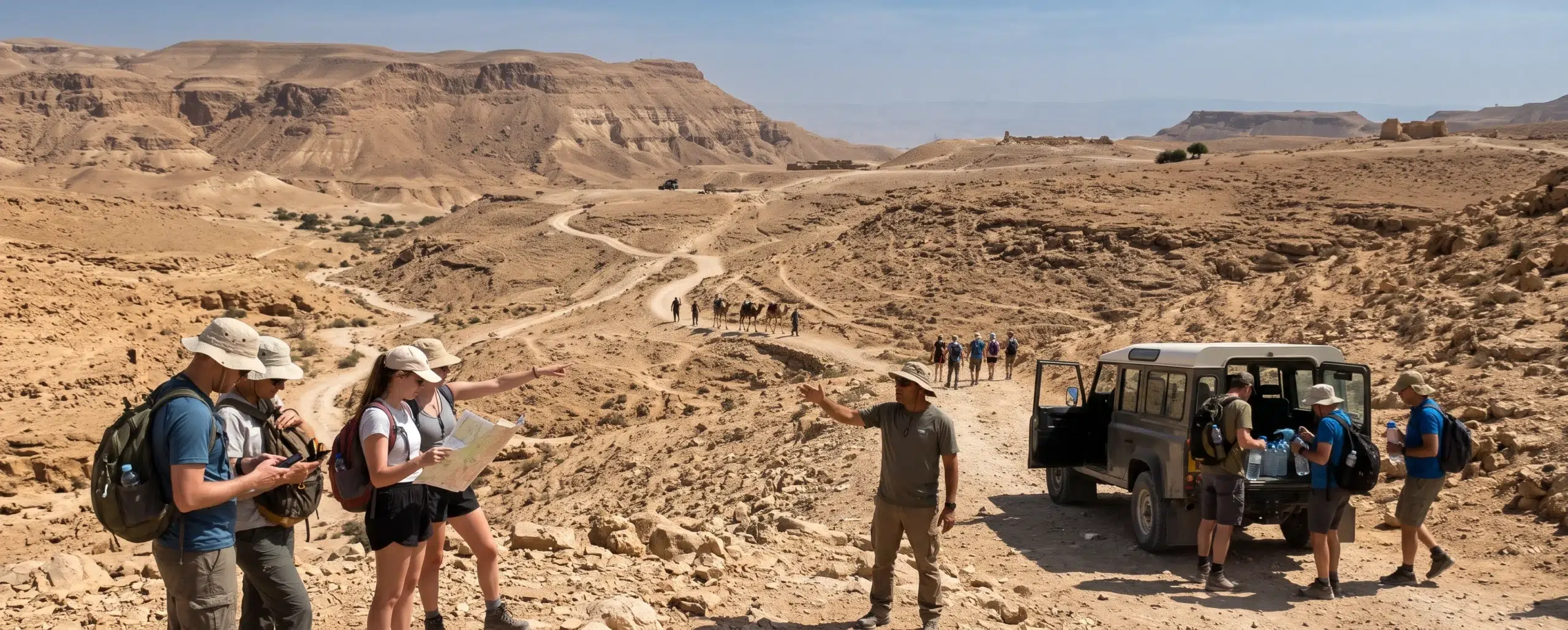
Before a hike or off-road excursion, check the local forecast, route conditions, and any closure notices. Follow the guide’s instructions if conditions make a planned route unsafe. An alternative stop is better than forcing the original plan.
Religious holidays and weekends also deserve attention. Opening hours, crowds, traffic, and transport services may differ from an ordinary weekday. Check the dates that overlap with your stay before choosing flights and accommodation.
6. Reserve Popular Sites and Check Their Opening Hours
Do not assume that arriving at a major attraction guarantees entry. Some national parks and nature reserves use advance reservations or visitor quotas. The Israel Nature and Parks Authority’s reservation system lets visitors check available dates and reserve where required.
Masada is a useful example. The route you choose, the season, and the site’s operating hours can affect your visit. If you plan to walk the Snake Path, check the latest heat-related restrictions and entry times. A cable car, when operating, has its own schedule.
The same principle applies to religious sites, museums, and organised activities. Check whether a visit requires a separate ticket, a guided entry, specific clothing, or advance arrangements. If a ceremony is important to your trip, confirm the arrangements directly rather than assuming it will be available on the day.
Keep booking confirmations together, either digitally or on paper. It is a small step that can save time at the entrance.
7. Decide How You Will Travel Between Destinations
Public transport, conventional bus tours, and self-drive Jeep tours serve different needs.
Trains and buses can be practical for travelling between major cities and established destinations. They may be less convenient when your plan includes remote viewpoints, trails, or several stops in areas with limited connections. You may also need taxis or additional transfers to complete the route.
A conventional bus tour can simplify sightseeing because someone else handles the driving. The trade-off is that you follow the tour’s schedule and the places it is designed to reach.
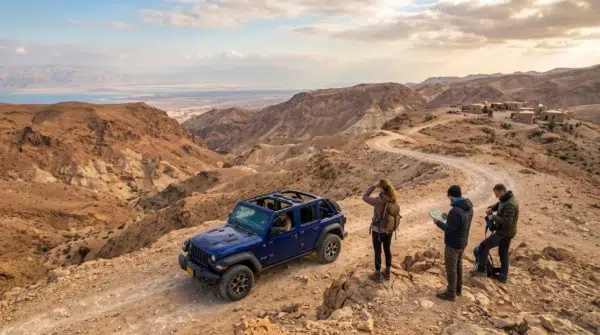
A guided self-drive Jeep tour offers another option. With Israel Jeep Tourism, travellers drive SUVs while a guide leads the group along a planned route. Suitable off-road sections can take you through landscapes and trails that are not usually part of a standard coach itinerary. You still need to walk to some viewpoints and attractions, and access depends on the route and conditions.
Think about what you enjoy. If you prefer city visits and independent days, public transport may suit part of your trip. If you want to combine sightseeing with off-road driving and rural scenery, compare the available Jeep itineraries before deciding.
8. Set a Realistic Budget and Check What Is Included
The advertised tour price is only one part of the cost. Before confirming anything, find out which expenses are included and which you will pay separately.
Your budget may need to cover:
- Flights and baggage fees.
- Accommodation and meals not included in the package.
- Vehicle rental, fuel, tolls, and any applicable insurance excess.
- Entrance tickets and activities that are not part of the itinerary.
- Airport transfers and transport outside the tour.
- Travel insurance, personal purchases, tips, and emergency expenses.
Also check the payment schedule, cancellation terms, and whether the price changes with group size, room arrangements, or travel dates. A quote for a shared room may not be the same as the price for a private room.
Ask for the inclusions and exclusions in writing. This is particularly important when a package is described as all-inclusive, because the phrase does not necessarily mean every personal expense or optional activity is covered.
9. Arrange Accommodation, Meals, and Everyday Needs
Where you stay affects how much time you spend travelling each day. Accommodation near your planned activities may be more useful than a hotel that looks attractive but adds a long drive to every morning.
Consider the needs of everyone in your group. Families may need larger rooms or easier access. Travellers with limited mobility should ask about stairs, walking distances, and bathroom facilities. If you have food allergies, dietary restrictions, or religious dietary requirements, explain them before booking and confirm what can be accommodated.
Check the weekly schedule, too. Shabbat, which begins before sunset on Friday and ends after nightfall on Saturday, can affect services and business opening hours in some areas. Public transport availability also varies by location and day. Plan meals, transfers, and visits with these differences in mind.
Finally, keep essentials accessible: prescription medication in its original packaging, a power adapter, suitable walking shoes, sun protection, and a refillable water bottle. If you depend on mobile data for navigation or bookings, arrange a suitable roaming plan or local connection before you need it.
10. Decide Who Will Coordinate the Moving Parts
You can arrange every part of a trip independently, but that means keeping track of multiple providers, bookings, schedules, and changes. This may work well if you enjoy planning and have plenty of time. For a multi-day trip with several regions, it can become a job of its own.
An organised tour can bring those arrangements together. The important thing is to understand exactly what the operator handles and what remains your responsibility.
Plan Your Trip to Israel Today
You may have your flights booked, a list of places you want to visit, and a few hotels saved. But how will you connect Jerusalem, the Dead Sea, the Sea of Galilee, and the desert without spending too much time on the road? Who will arrange the vehicles, accommodation, and daily routes? And what happens if your group wants to spend more time at one place or explore somewhere beyond the usual sightseeing stops?
These are the details that can make trip planning difficult. You want to enjoy Israel, not spend your holiday coordinating bookings and working out the next day’s transport.
We at Israel Jeep Tourism can help bring these arrangements together. We organise guided self-drive SUV tours across northern Israel, the south, desert landscapes, and cross-country routes. Depending on the tour you choose, we can help arrange flights, accommodation, vehicle rentals, guides, transfers, and other trip essentials.
You can choose one of our existing tours or talk to us about a route that better suits your interests. Perhaps you want to focus on Christian pilgrimage sites, explore Jewish heritage, spend more time in nature, or combine historical places with off-road driving. Tell us how long you have, who is travelling with you, and what you want to experience. We can discuss the available options, the itinerary, and what is included before you make a decision.
Explore our available Israel tours or contact us to plan your trip to Israel. We would love to help you put together an Israel trip that works for you.